



Lewis Bamboo
Silverberry Shrub
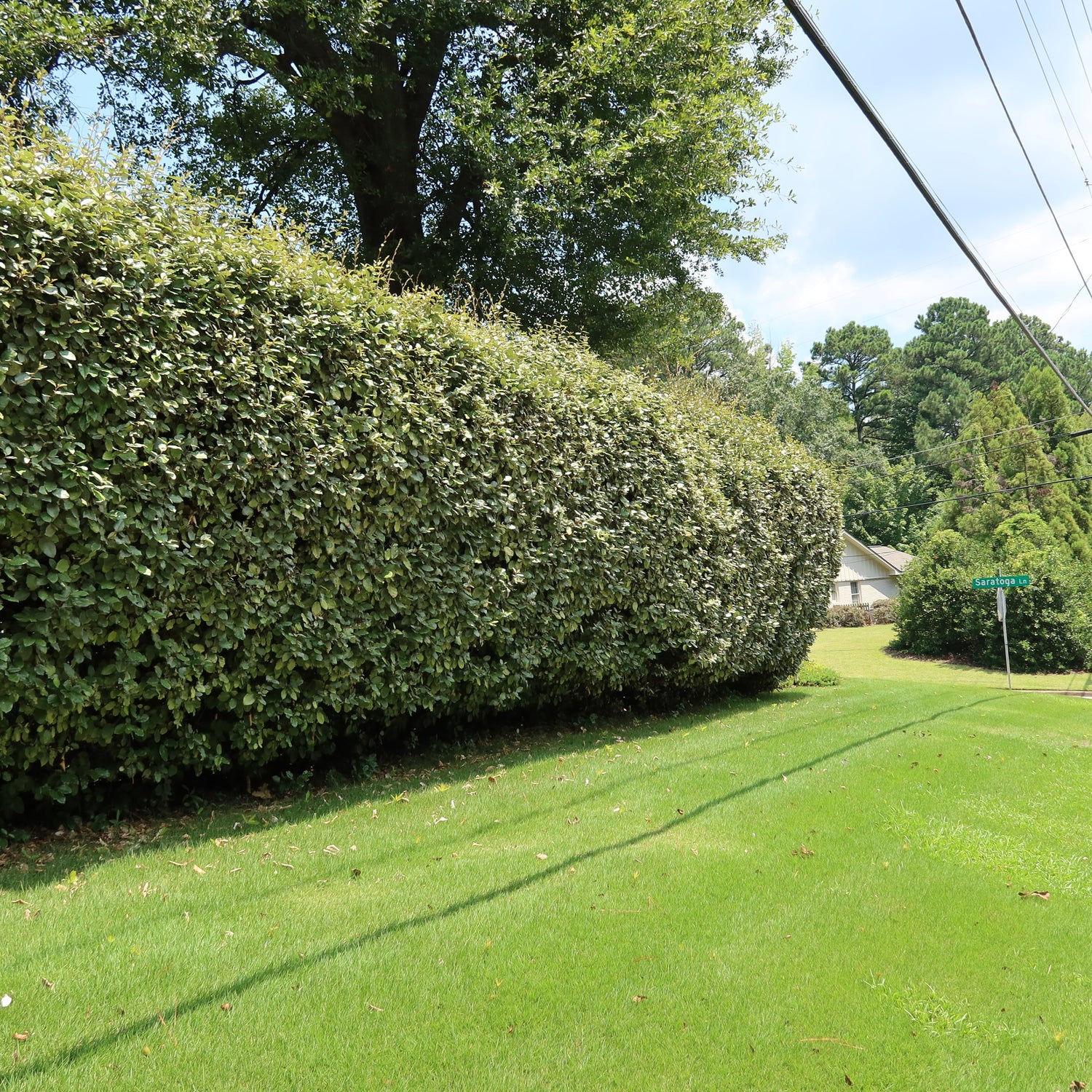
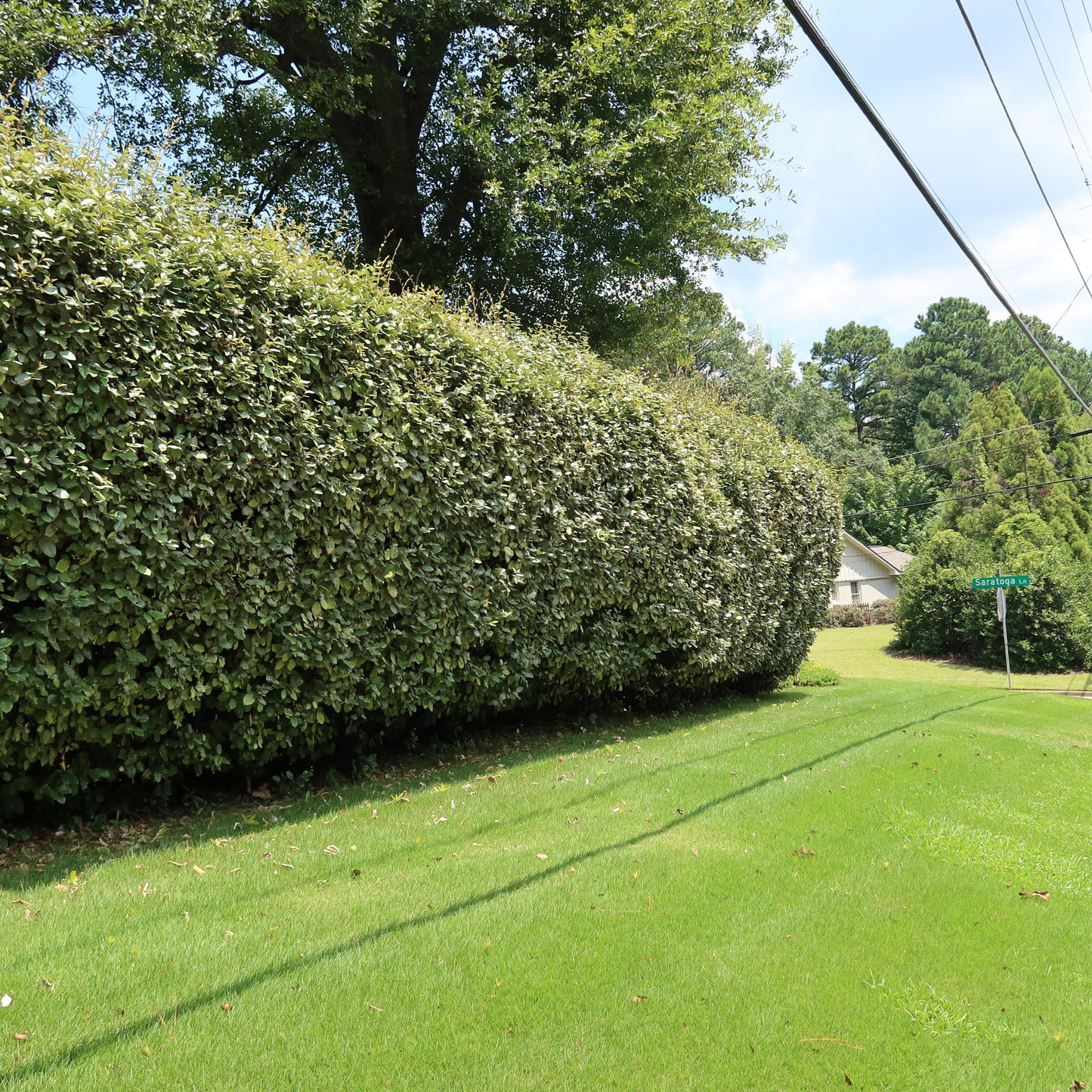
- Privacy and Screening: Dense, fast-growing hedges.
- Fast-Growing and Hardy: Adaptable, drought-resistant.
- Stunning Foliage: Silvery-green, shimmering leaves.
Couldn't load pickup availability



Can I grow this plant?
Once you enter your zip code below, we can provide recommendations just for you!
Characteristics of Elaeagnua 'ebbingei' – Silverberry Shrub
Bring year-round elegance and durability to your landscape with the Elaeagnus ebbingei, also known as the Silverberry shrub. Renowned for its striking foliage and fragrant blooms, this versatile evergreen shrub enhances your garden with both beauty and functionality.
Key Features:
-
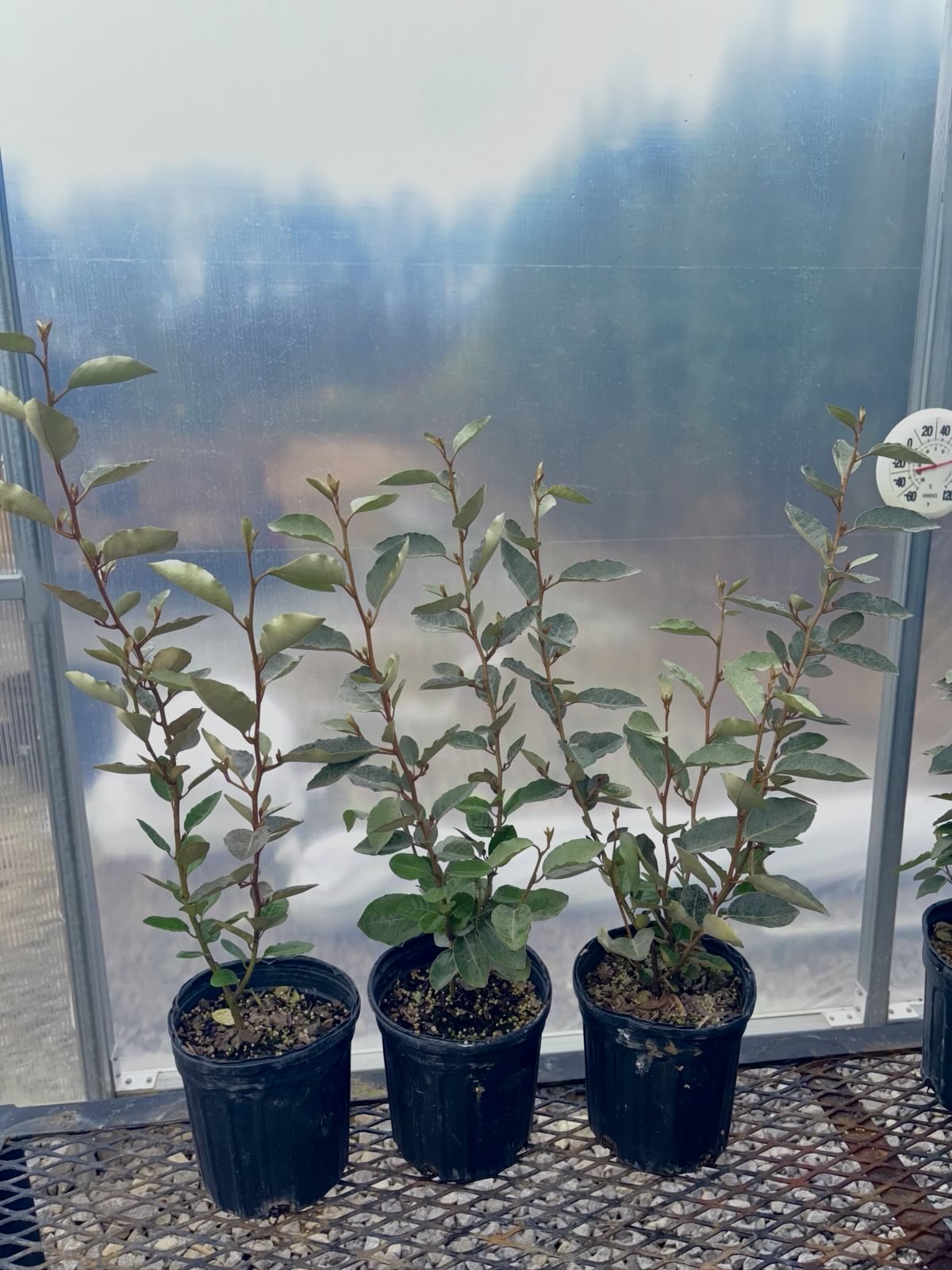
Stunning Foliage: Silvery-green leaves with shimmering undersides add texture and visual appeal.
-
Fragrant Flowers: Delightfully scented, creamy-white blooms appear in autumn, filling the garden with a pleasant aroma.
-
Fast-Growing and Hardy: Thrives in diverse soil types, resists drought, and tolerates coastal conditions, making it an excellent choice for low-maintenance gardening.
-
Privacy and Screening: Rapid growth and dense branching make Elaeagnus ebbingei ideal for hedges, privacy screens, or windbreaks.
-
Wildlife-Friendly: Attracts beneficial wildlife with its nectar-rich flowers and edible fruits favored by birds.
Plant Specifications:
- Mature Height: 8–12 feet
- Mature Spread: 8–10 feet
- Sun Exposure: Full sun to partial shade
- Soil Preferences: Adaptable to various soil conditions; well-drained preferred
- USDA Zones: 6b – 9a
For best results, plant Silverberry in full sun with well-drained soil
- Full Sun (Recommended): Silverberry achieves peak performance with 4-6 hours of direct sunlight daily. Plants grown in sunny locations with good drainage develop fuller, bushier forms and reach their maximum size potential.
- Partial Shade (Acceptable): While Silverberry adapts to partially shaded areas, expect reduced vigor and a more open growth habit. Plants may appear less dense and take longer to establish compared to those in brighter locations.
- Full Shade (Not Recommended): Though Silverberry can survive in heavily shaded or woodland settings, performance suffers significantly. Plants become leggy, weak, and fail to develop their characteristic dense form.
Bottom Line: Silverberry tolerates a range of lighting conditions, but sunny to partially sunny sites produce the healthiest, most attractive plants with optimal density and growth.
Planting Guide:
Site Selection
Select a location with full sun to partial shade and well-draining soil.
Silverberry tolerates wind, drought, and poor soils once established, but it does not tolerate prolonged standing water.
Avoid low areas where water collects or heavy clay depressions that remain saturated after rain.
Hole Preparation
Width: 2–3× wider than the root ball
Depth: No deeper than the root ball height
The shrub should sit on undisturbed native soil, not loose backfill.
If drainage is marginal, lightly mound soil in the center to prevent settling and future crown issues.
Important: Do not dig deeper than necessary. Planting too deep is a leading cause of shrub decline.
Proper Planting Depth (Critical)
- Plant at grade or slightly above grade
- Top of root ball should sit 0–1 inch above the surrounding soil
- Root flare must remain visible at finished grade
- Never plant below surrounding soil level
- When finished, you should clearly see where the trunk transitions into the roots.
Backfill
- Use the same native soil removed from the hole
- Do not heavily amend the planting hole
- Avoid creating a “bathtub effect” in clay soils
- Firm soil gently to remove air pockets without compacting.
Mulch
- Apply 2–3 inches of mulch
- Keep mulch 2–3 inches away from the trunk
- Do not mound mulch against the bark
Proper mulching moderates soil temperature and reduces moisture fluctuations.
Watering
- Water deeply immediately after planting.
- Continue consistent deep watering during establishment, especially during the first growing season.
- Silverberry becomes drought-tolerant once established, but consistent moisture is critical early on.
Heavy Clay Soils
- Plant 1 inch high (up to 2 inches in very dense clay)
- Lightly slope soil away from the trunk
- Avoid over-amending soil inside the hole
- Proper elevation prevents oxygen deprivation and crown rot.
Why Depth Matters
Planting too deep:
- Reduces oxygen to roots
- Increases risk of crown and root rot
- Encourages girdling roots
- Causes yellowing foliage and slow decline over several seasons
Improper planting depth is one of the most common failure points in Silverberry installations.
Spacing Guide for Privacy Screening:
-
Plant shrubs 4–6 feet apart for optimal density and effective privacy coverage.
Elevate your outdoor spaces with Elaeagnus ebbingei, a shrub that beautifully blends aesthetic charm with practical landscape solutions.