
Lewis Bamboo
Moso
Couldn't load pickup availability
Can I grow this plant?
Once you enter your zip code below, we can provide recommendations just for you!
Characteristics of Phyllostachys Edulis 'Moso'
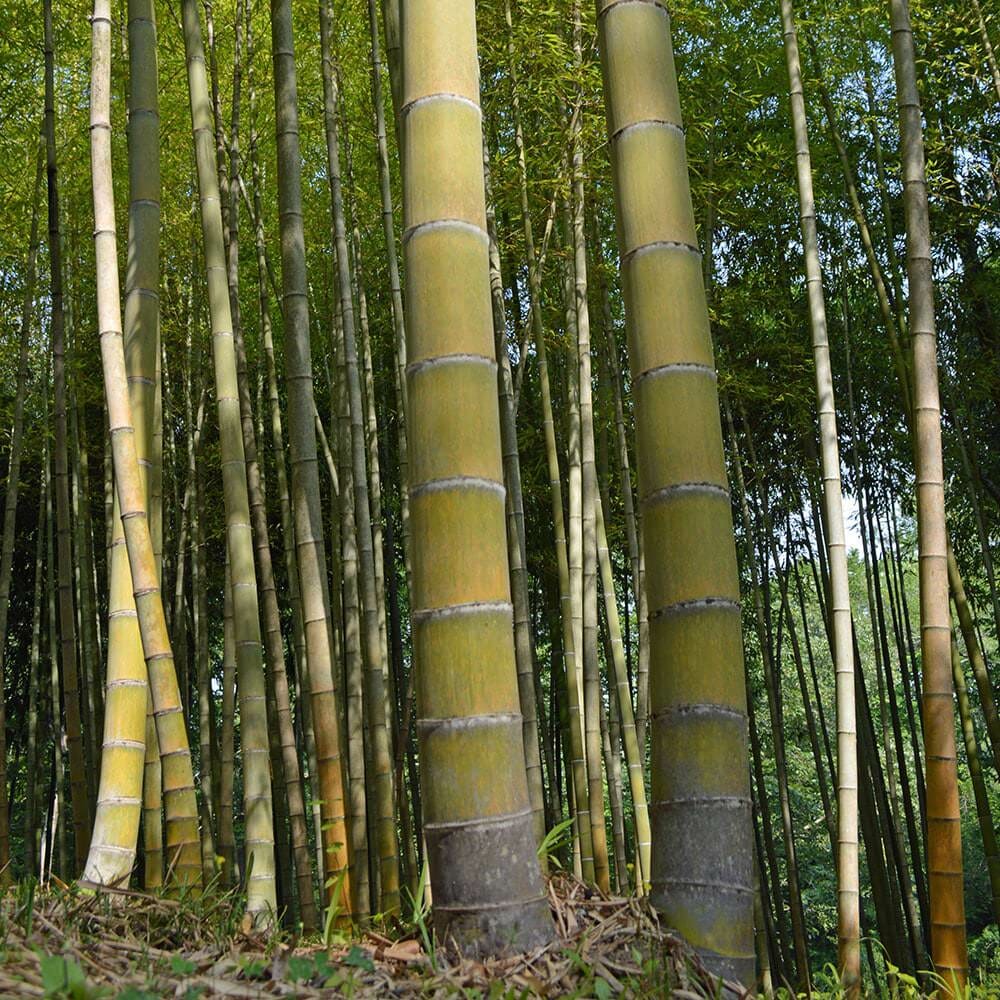
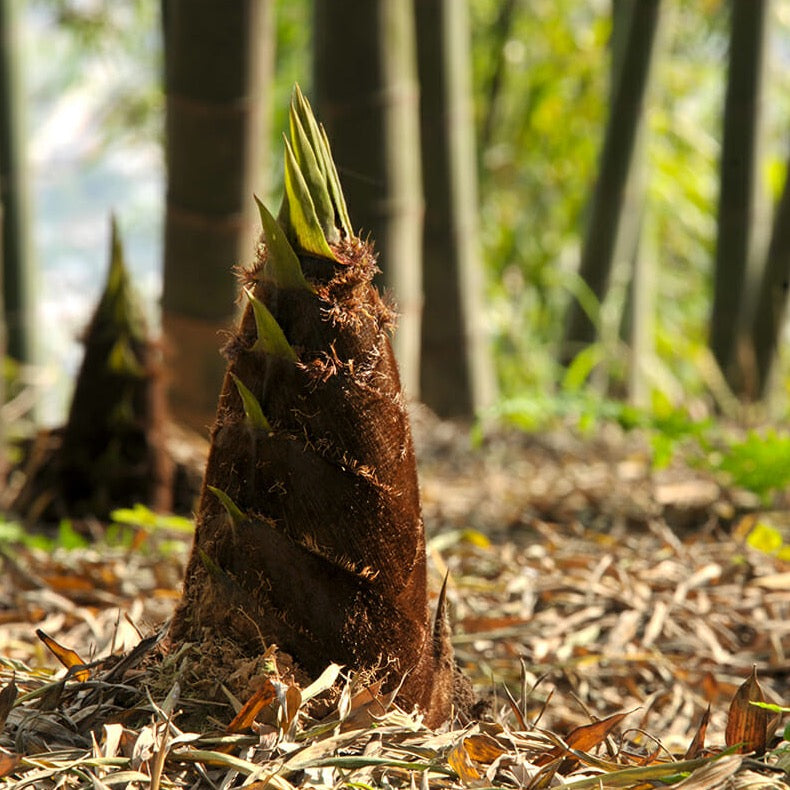
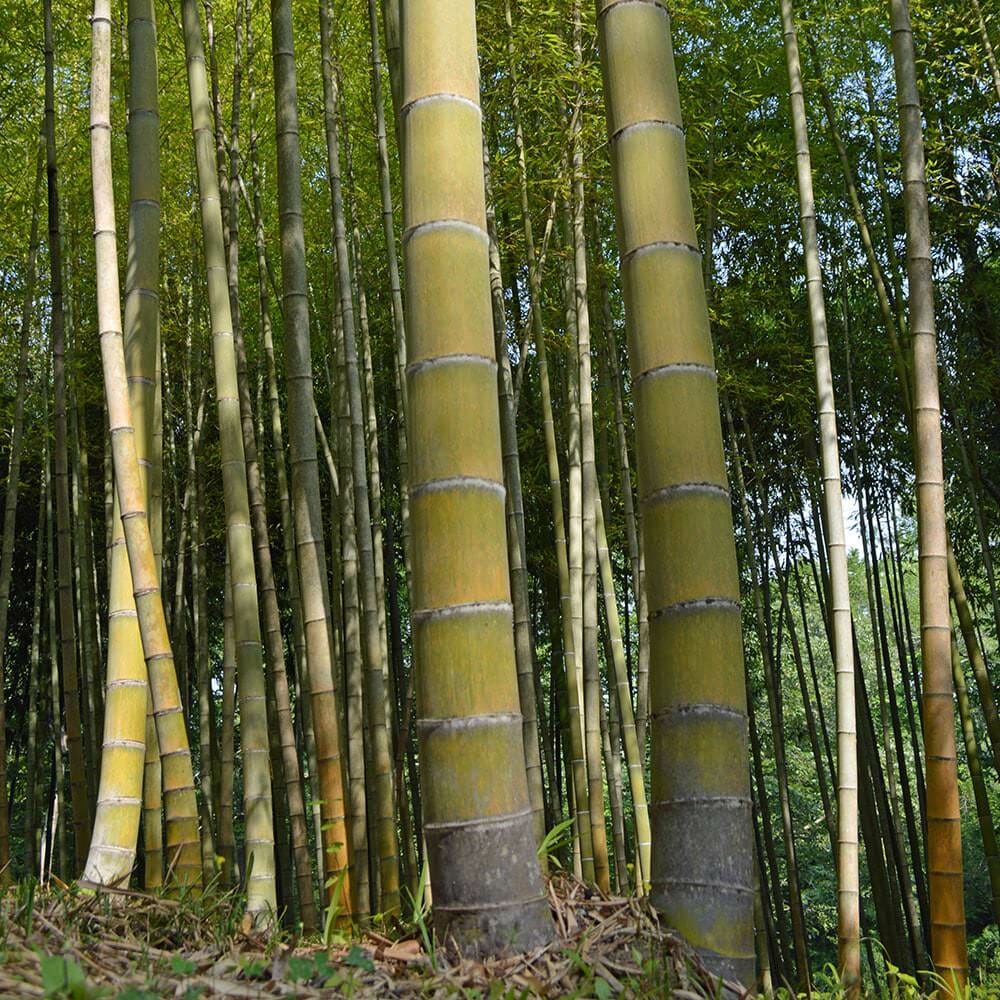
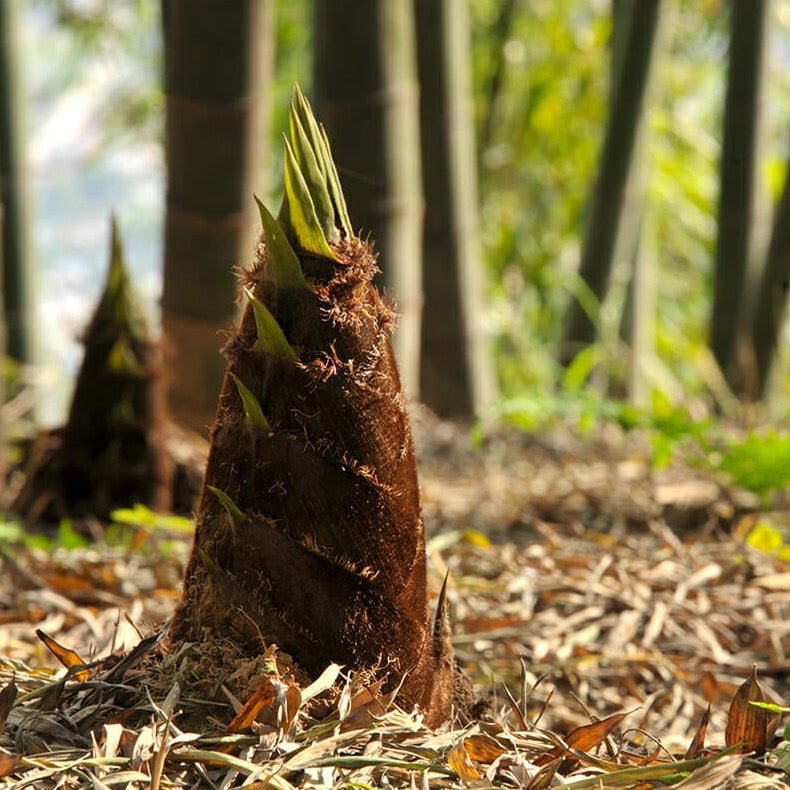
Phyllostachys Edulis 'Moso' is the largest temperate bamboo on earth. The 'Moso' culm (cane) sheath is very dark, spotted and hairy and easy to recognize. The sheath ligules, oral setae and auricles are very large. Extremely large culms and tiny delicate leaves make this one highly collectable. 'Moso' is distinguished by relatively short lower internodes in the strongly tapered, furry culms and has unusually small leaves. New plantings grow slowly, but the beauty of this species make it highly sought after. The large shoots make Moso the central species in the bamboo shoot business in both China and Japan.
New shoots emerge very early making this species difficult to grow in the north due to new shoots being very susceptible to frost damage. This species is slow to get established and is best suited for the southeastern U.S. meaning:
- East of the 95th Meridian West.
- North limit for mature sizes is basically on the southern Tennessee border, 35 parallel north.
- Southern border is a line extending along the southern portion of the Florida panhandle, 30 parallel north.
- Eastern border is the east U.S. coast within the 30-35 parallel north.
- Moso is not limited by normal altitudes ranges within its climate tolerances.
From Grove to Garden: How We Grow and Ship Bamboo at Lewis Bamboo
Take a behind-the-scenes look at how bamboo is carefully dug, containerized, watered, grown and packaged for shipment at Lewis Bamboo. Every step is handled with care to ensure healthy, ready-to-plant bamboo arrives at your door.
How Bamboo Grows
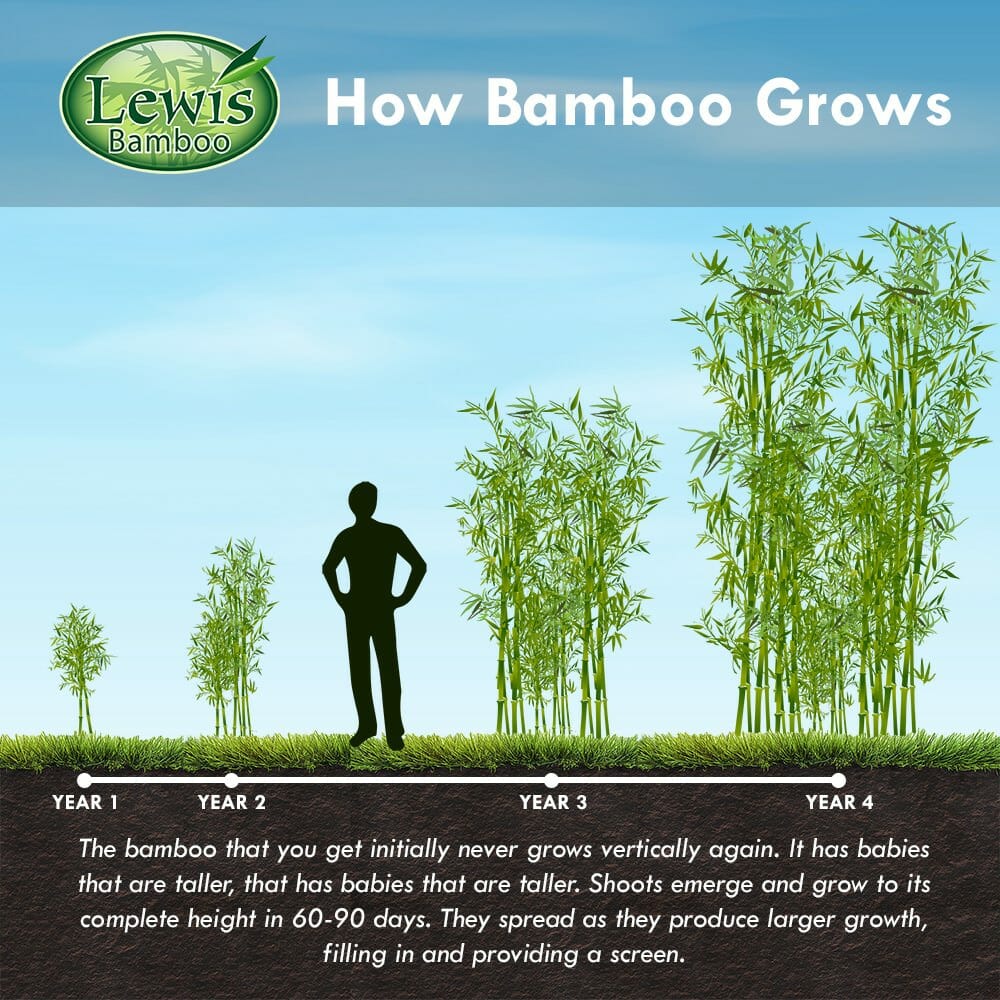
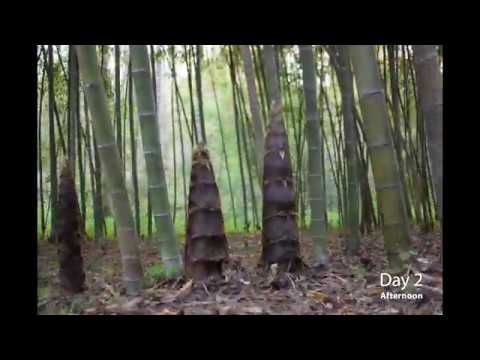
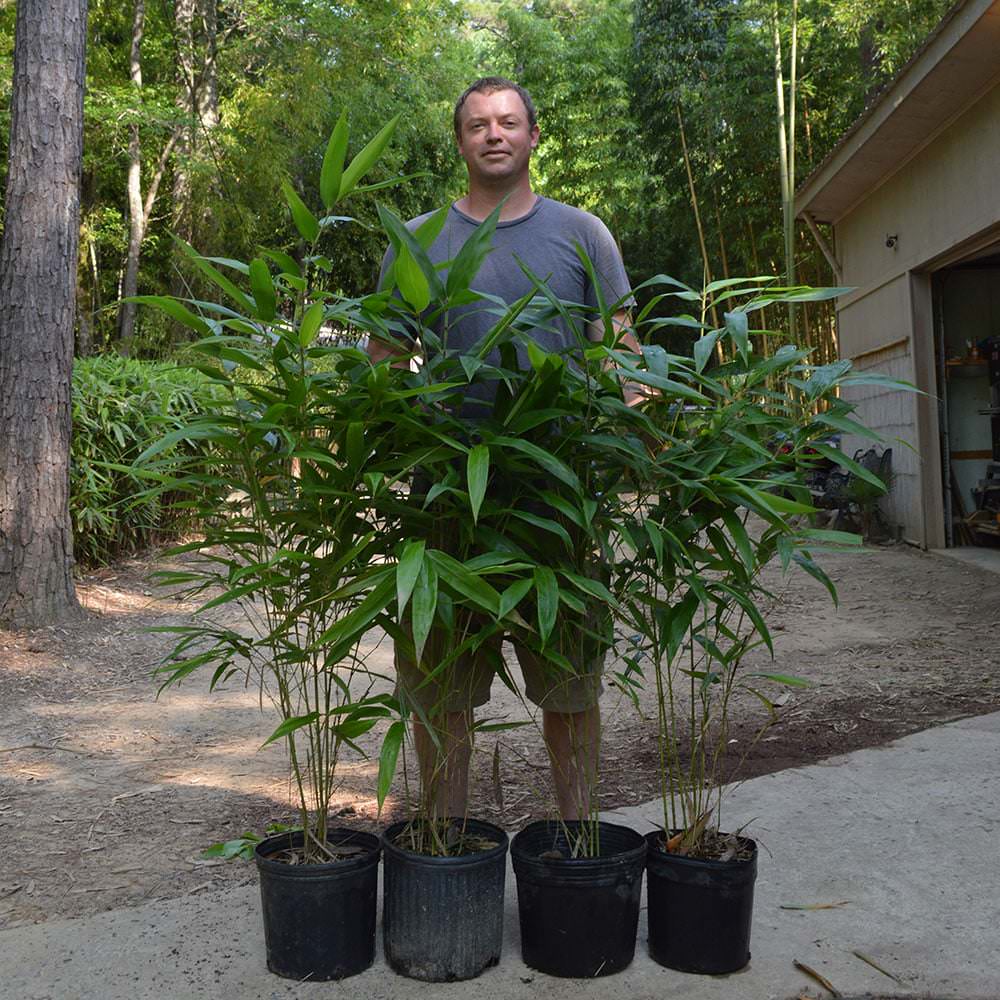
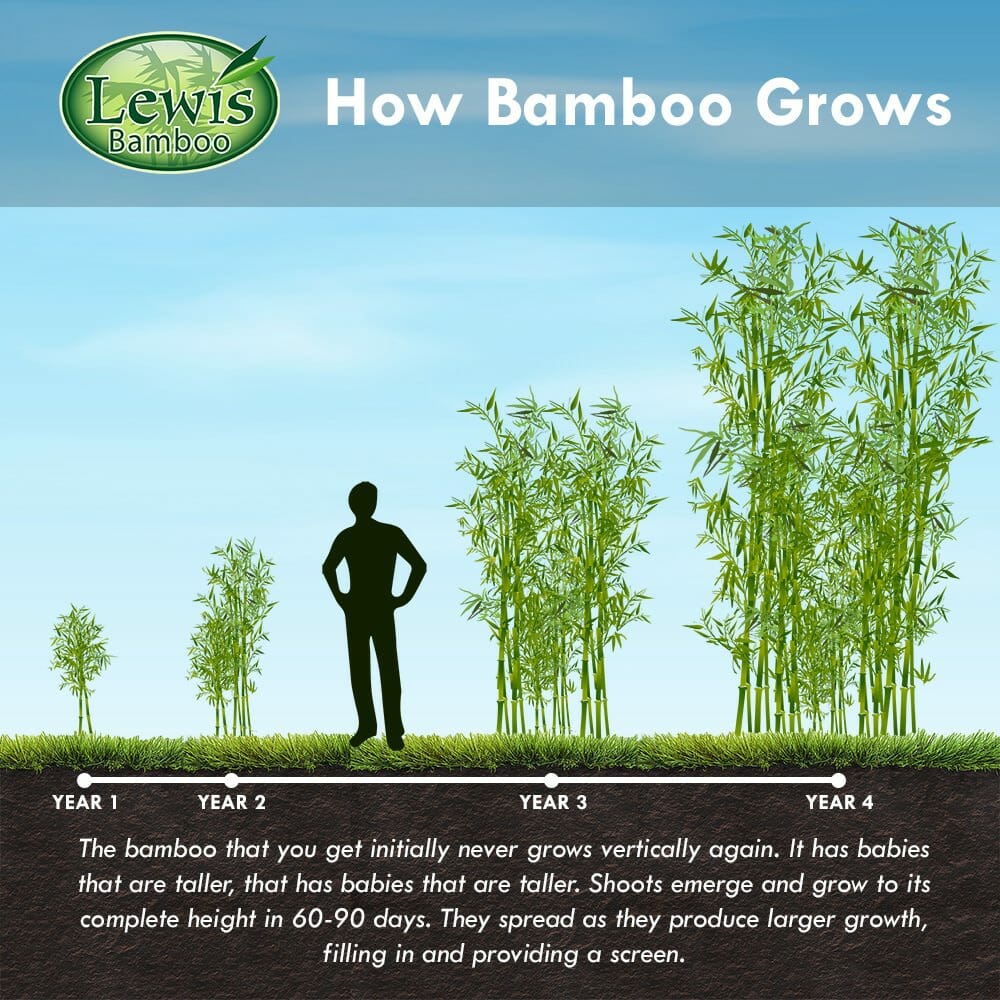
Bamboo grows a little different than most plants. The bamboo that you get initially never grows vertically again. It has babies that are taller, that has babies that are taller. Every generation should be taller that the previous year's shoots. The intriguing aspect is that each year’s growth emerges and grows to it complete height in 60-90 days. They spread as they produce larger growth, filling in and providing a screen.
This link will help you learn how bamboo grows. It will give you an idea of what kind of growth to expect from your planting. It is a lot of information, but well worth your time. How Bamboo Grows
Planting Instructions
Planting bamboo is also easy. You want to dig a hole about twice the size of the root ball. When you plant the bamboo amend your soil with composted manure and a good top soil. Bamboo can be planted at ground level or slightly deeper. It is not a picky about it conditions but this will help get it off to a good start.
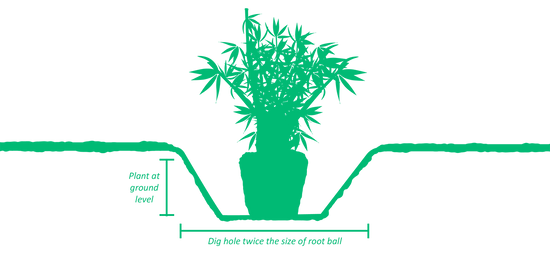
More details can be found on our Planting Instruction Page
Spacing between plants
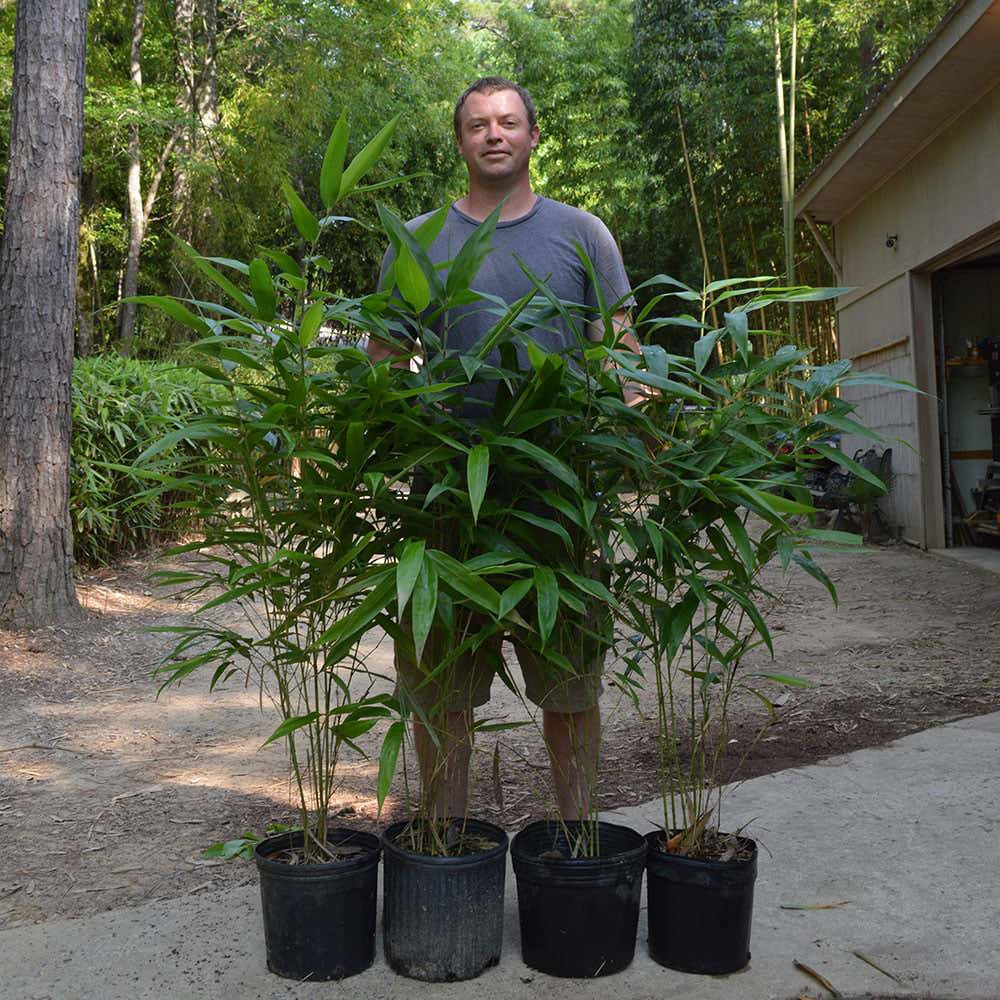
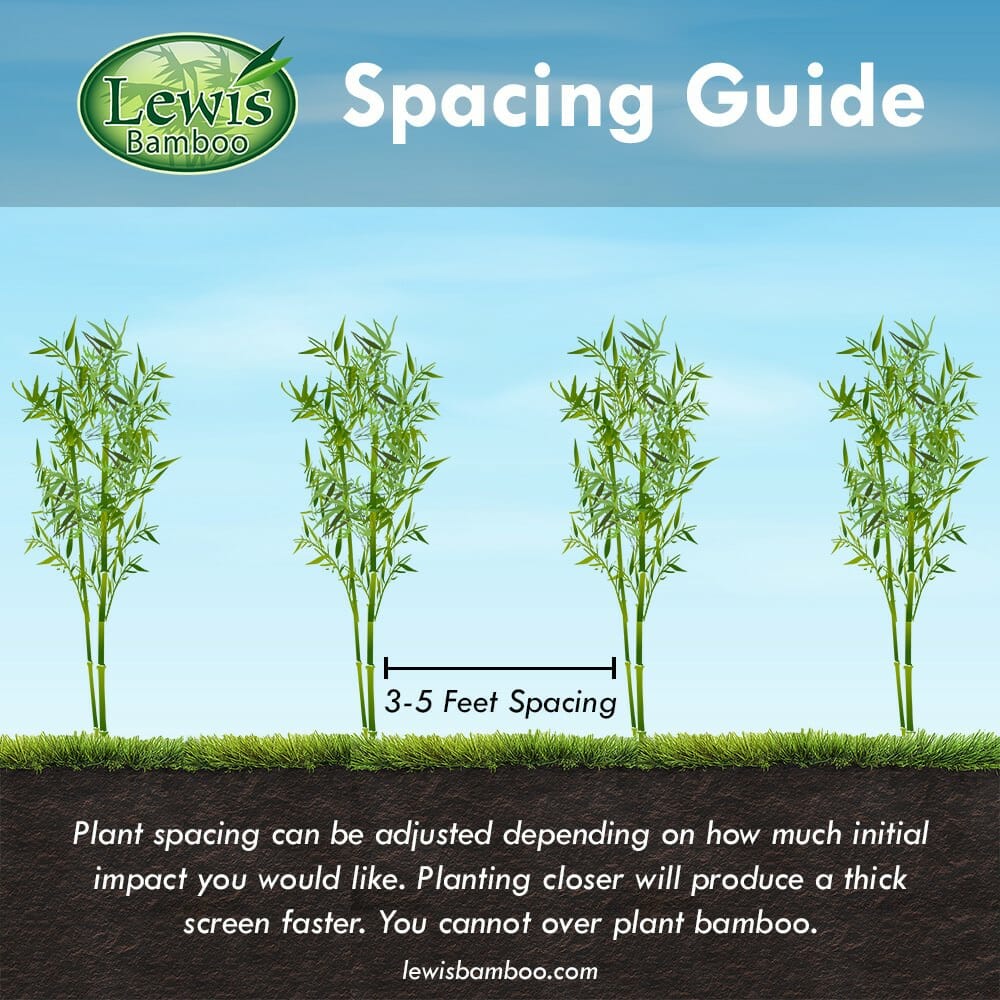
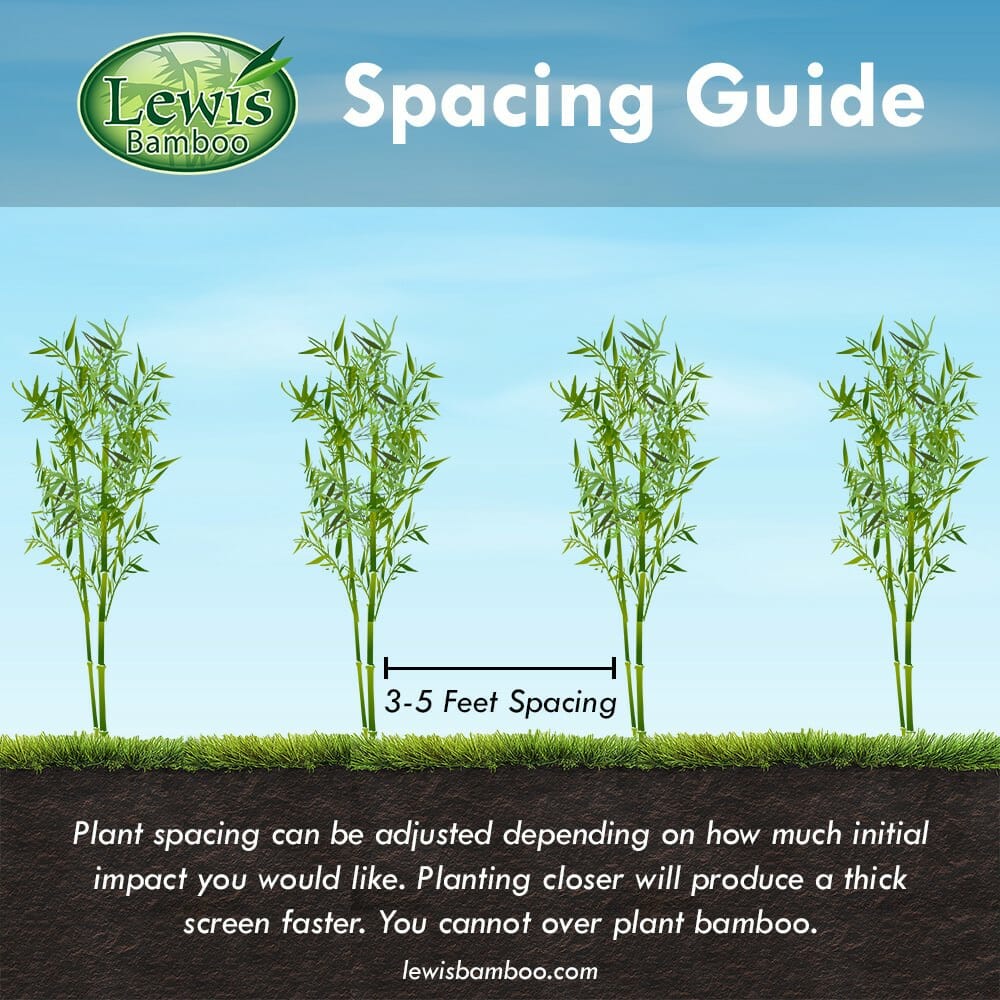
One division of bamboo will start a grove or screen over time. However, if you want a privacy screen fast, we recommend planting bamboo 3 to 5 feet apart. This will hopefully allow you to have a good screen in three years. There are a lot of factors such as water, sunlight, and climate zones that speeds up or slows down the process. Three years is about the average on this spacing, closer planting will allow you to screen or develop your grove faster. You cannot over plant bamboo.
Maintenance
Fertilizing
Bamboo can benefit from a fertilization program. You can safely fertilize your bamboo once it has been in the ground for one month. A time release fertilizer will work great. Time release fertilizers allow for proper absorption in case your soil is out of PH balance. We offer some fertilizer to help with growth. We fertilize twice a year. Once in the early spring to encourage new growth and then again during the middle of the grow season to replace any nutrients that are being depleted. Click here to see our recommended fertilizer: Our Fertilizers
Control
Over the years a lot of myths have been told about bamboo, while it can spread under good conditions, it is not as invasive as many people would have you believe. In colder climates an aggressive runner here in the south will hardy spread at all in comparison. We have been growing bamboo since 1985 and had experience with it long before that. The bamboo's underground root system (rhizome) will spread beyond the initial planting over the years, so in the next two or three years you will need to decide on some method of containment on the sides you do not want the rhizomes to run over into.
We have constructed a page discussing multiple methods of controlling bamboo. It goes over root pruning, mowing new shoots, and in ground barriers: Controlling Bamboo
All this said and it may discourage you, but as with any plant there will be maintenance. Bamboo is very beautiful and is great in a Japanese style garden, but it will need maintenance down the road. At first it may seem to be doing nothing, but after 3 to 5 years you will have a lot of beautiful culms (canes) and love the foliage. All our 150 plus species simply contained by mowing and weed eating the new Spring and Summer shoots. Hopes this helps and don't be afraid of the bamboo.